Uncles abdication led to Queen Elizabeths 70-year reign on the throne
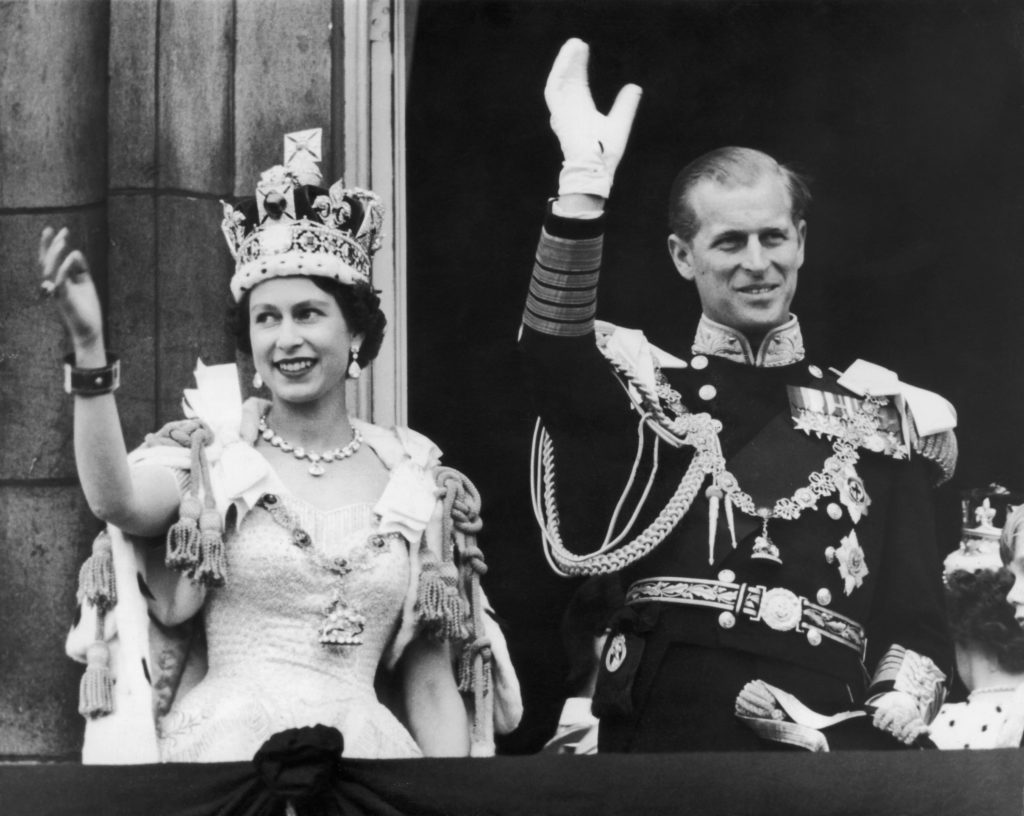
Anne Sebba:
Well, the first thing that he has said openly is, he wants a slimmed-down monarchy. He doesn't want every niece, nephew and grandchild necessarily to be a working royal, that is, a paid royal.
So it will probably just go down to William and Catherine in the first instance, and then their children. Of course, he must be aware he is an anachronism, really, in the 21st century. So they have to show that they're worth it in terms of the work they do.
The work ethic of Queen Elizabeth was extraordinary. She was constantly reading and studying. And all the prime ministers who went to see her said, if you hadn't read that Cabinet document, heaven help you, because she certainly had. And right up until yesterday, really, as you saw, she was doing her duty. She was absolutely determined to carry on.
So I think, really, what she represented is this continuity, when she lived through the abdication crisis of 1936, when her uncle gave up the throne, and her uncle Edward, who married Wallis Simpson, an American. And I think that was what was shot through in her veins. You don't give up. You don't abdicate.
And, luckily for her, she didn't have to, because she really died on the job. So, this absolute determination to keep the country together in the figurehead of the monarchy showing us the best we could be, when, in 1936, quite frankly, the monarchy had a shaky moment when her mother, Queen Elizabeth, the queen mother, and her father, George VI, took over, it wasn't a given that they would weather that storm.
And they did, and she took over in 1952, so immense continuity and stability at every stage.
ncG1vNJzZmivp6x7sa7SZ6arn1%2Bjsri%2Fx6isq2ejnby4e9SnmqWdo2Kuo7DInJitoZ%2Bjeq2xw2arqGWhqrKmuoyeo6KykZeytbTSZm5pZamarrN50Z6goKZdpLtuwMeeZK2goqS7pg%3D%3D